
For years, the industry narrative has been simple: if you swing fast, you need a heavy, boardy, extra-stiff shaft. Then came AutoFlex.
Developed by Dumina Co. in Korea, this “hidden” technology challenged everything we thought we knew about lead-arm physics and shaft frequency.
How We Test Shafts
(Image credit: Future)
All of our shaft testing is conducted using the same TaylorMade Qi35 core head set to a precise 9 degrees (measured), with each shaft cut to an exact length of 45.5 inches, fitted with a Golf Pride Tour Velvet 60R grip. Furthermore, all testing shots are struck from a white castle tee to ensure consistent tee height during testing.
The data is collected and recorded using a Foresight Sports GC3 launch monitor and TaylorMade TP5x golf balls.
Image 1 of 1
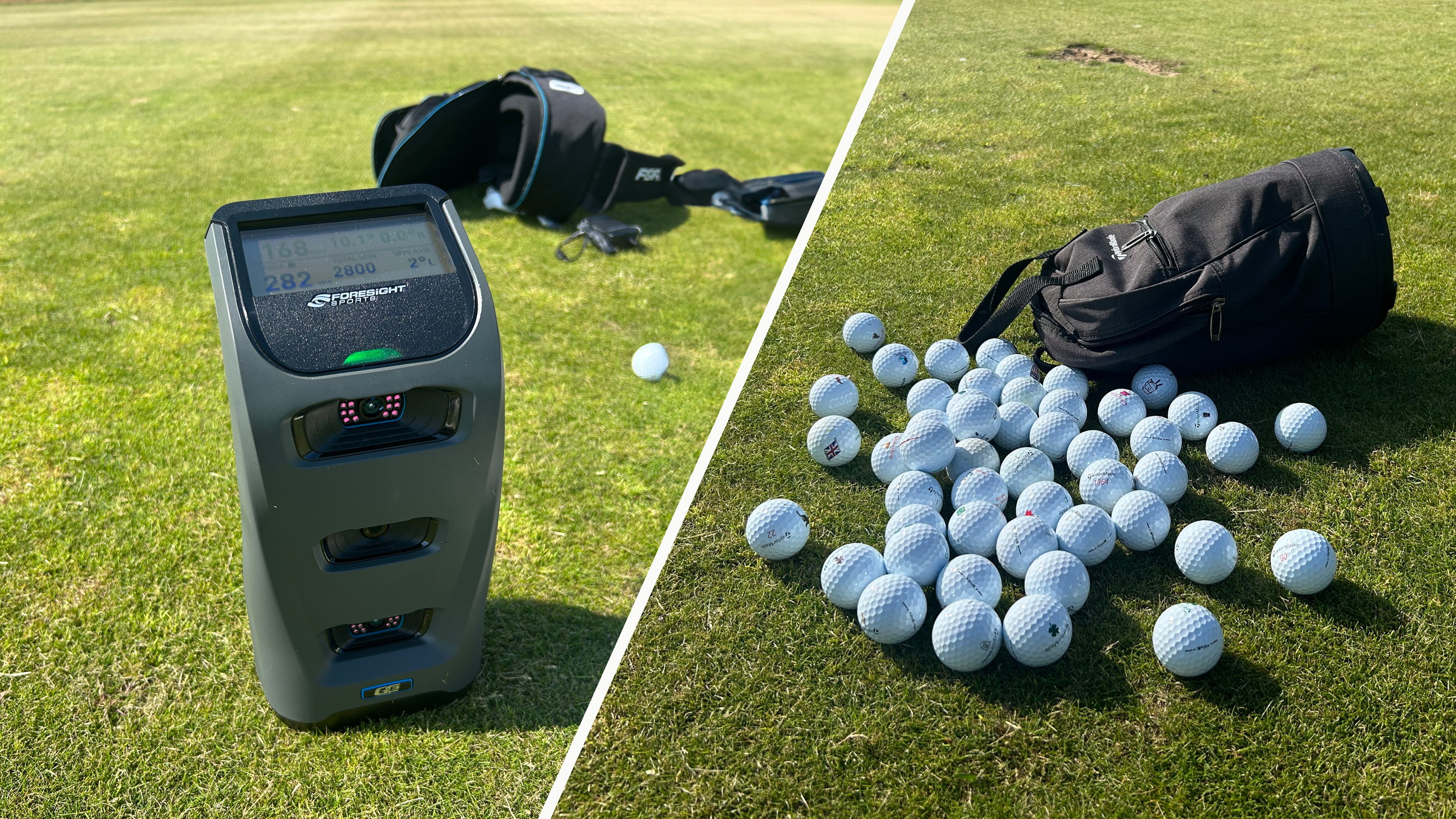
Controlling these potential variables allows me to draw accurate and direct comparisons and form a clear picture of each shaft’s performance and feel characteristics.
AutoFlex Original
(Image credit: Future)
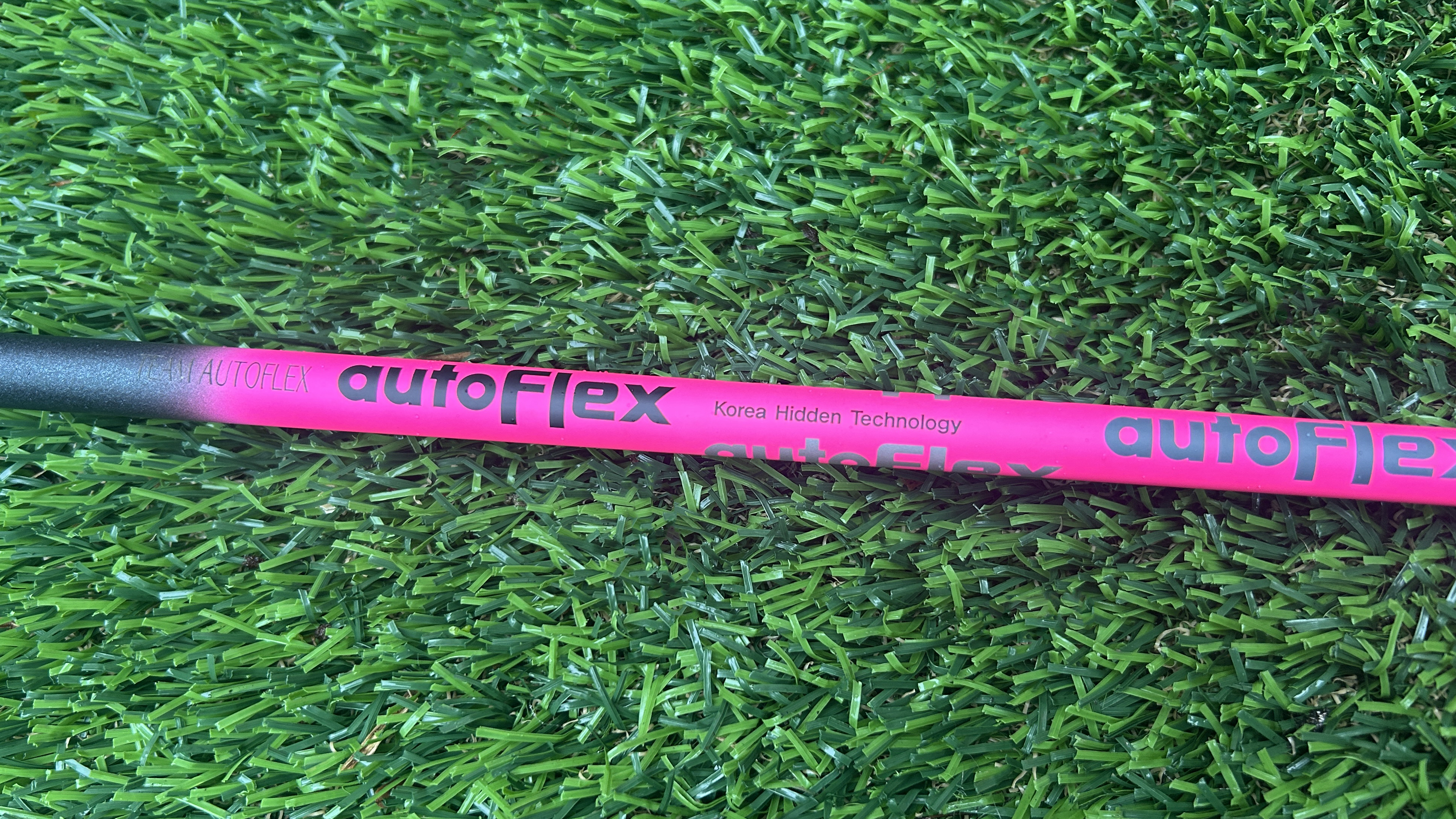
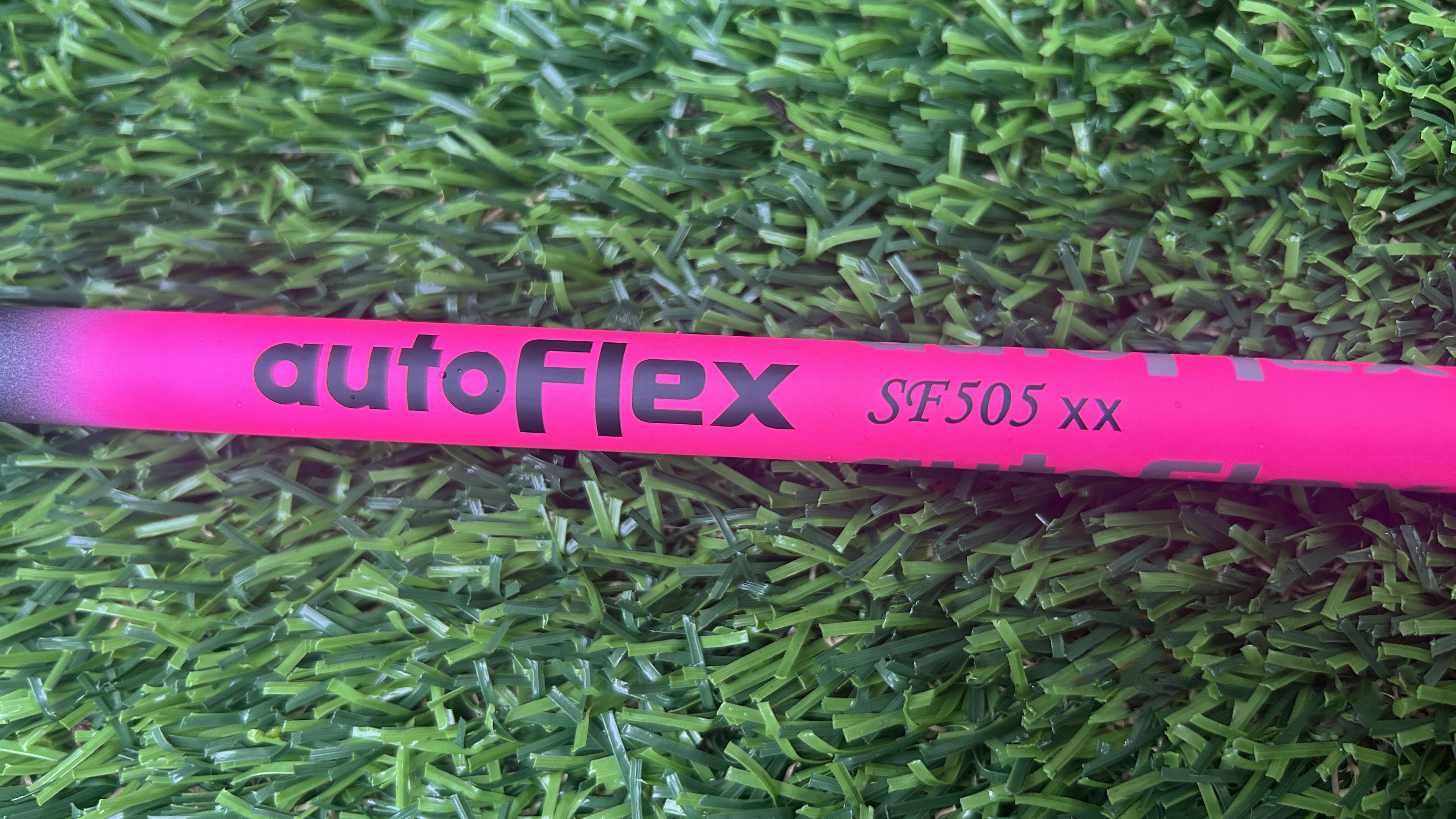
Specs Tested: SF505xx (57g, 220cpm)
The original AutoFlex is the shaft that started the conversation. For this test, I used the SF505xx. At 57 grams and an incredibly low 220cpm (cycles per minute), it sits in a frequency range usually reserved for senior or ladies’ flexes – yet allegedly is designed to handle high swing speeds.
The Feel: Switching from a stout Ventus Black to something more akin to a fishing rod was certainly a strange departure. However, once the initial “shock” wore off, the sensation was incredibly smooth. Unlike many shafts that feel “hingy” in the tip or soft in the handle, the AutoFlex felt remarkably balanced to me. Whereas many ‘softer’ options can produce obviously softer sections, the flex felt refreshingly uniform throughout the entire profile.
(Image credit: Future)
Performance: Initially, with the hugely different sensation and noticeable…
..
Click Here to Read the Full Original Article at Latest from Golf Monthly in Reviews…