
They might all look pretty much the same, but not all golf balls are created equal. There are lots of factors that affect how a ball plays, and what type of golfer it suits, including the number of layers, compression, dimple pattern and the material used for the cover.
There are two main options when it comes to the latter, with the choice between urethane or ionomer having a big impact on how your ball will perform. So let’s take a look at the two in more detail…
The material differences
Urethane is a versatile polymer that offers impressive abrasion resistance, strength and thermal stability. The fact its firmness and durability can be controlled when heating and moulding makes it ideal for golf ball covers as it gives engineers more scope and precision in design and production. It is most common in the best premium balls aimed at pro and low-handicap players but also some of the best mid-price balls.
Article continues below
Ionomer is a polymer that is harder, more durable and cheaper to use, but it feels harder at impact and spins less as a result. You may also hear about Surlyn, which is a specific brand of ionomer, and produces an even stronger and harder cover. These materials tend to be the cover of choice for distance balls and those aimed at mid and high-handicappers.
(Image credit: Titleist)
Long game
A urethane cover will give you a softer feel and more spin in the long game. The feeling and sound of really compressing one of these balls at impact and hearing it fizz away after a crisply struck iron is one of golf’s great pleasures. It will give you more control in terms of shaping your shots and will stop quicker when it lands on the green.
Ionomer balls tend to fly further and the less spin can be a bonus if you slice or hook the ball a lot, because it will reduce the amount of curve on those shots. The pay-off is that you get less stop on your approach shots, so the ball will release more on the greens.
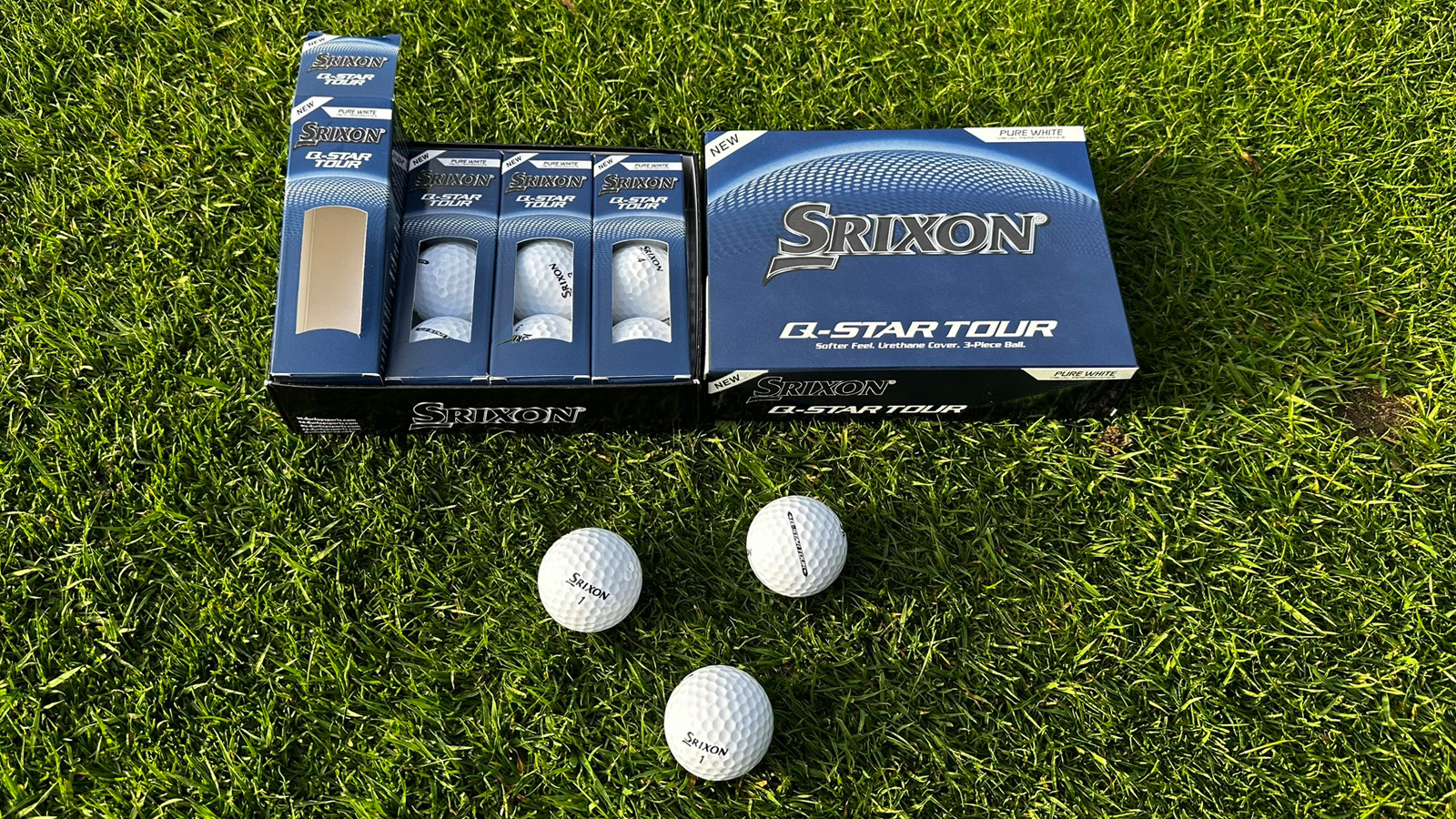
(Image credit: Future)
Short game and putting
Urethane will give you more spin and control on shots around the green, but they can be more susceptible to damage from sharp wedge grooves. In simple terms, they will give you a better chance to get up-and-down from out of position.
An ionomer ball…
..
Click Here to Read the Full Original Article at Latest from Golf Monthly…