
The loft of irons has come down pretty much across the board in recent decades. They have been “strengthened”, which means the face angle reduced in order to achieve more distance.
A typical 7-iron today will have less loft than it’s equivalent from the last century. The difference is up to two clubs so a 7-iron today might have the loft of a 5-iron from 30 years ago, which means the number inscribed on the bottom of each iron has never meant less.

It tends to be the case that game improvement irons have seen the largest shift in lofts with player’s irons not being reduced to such an extent.
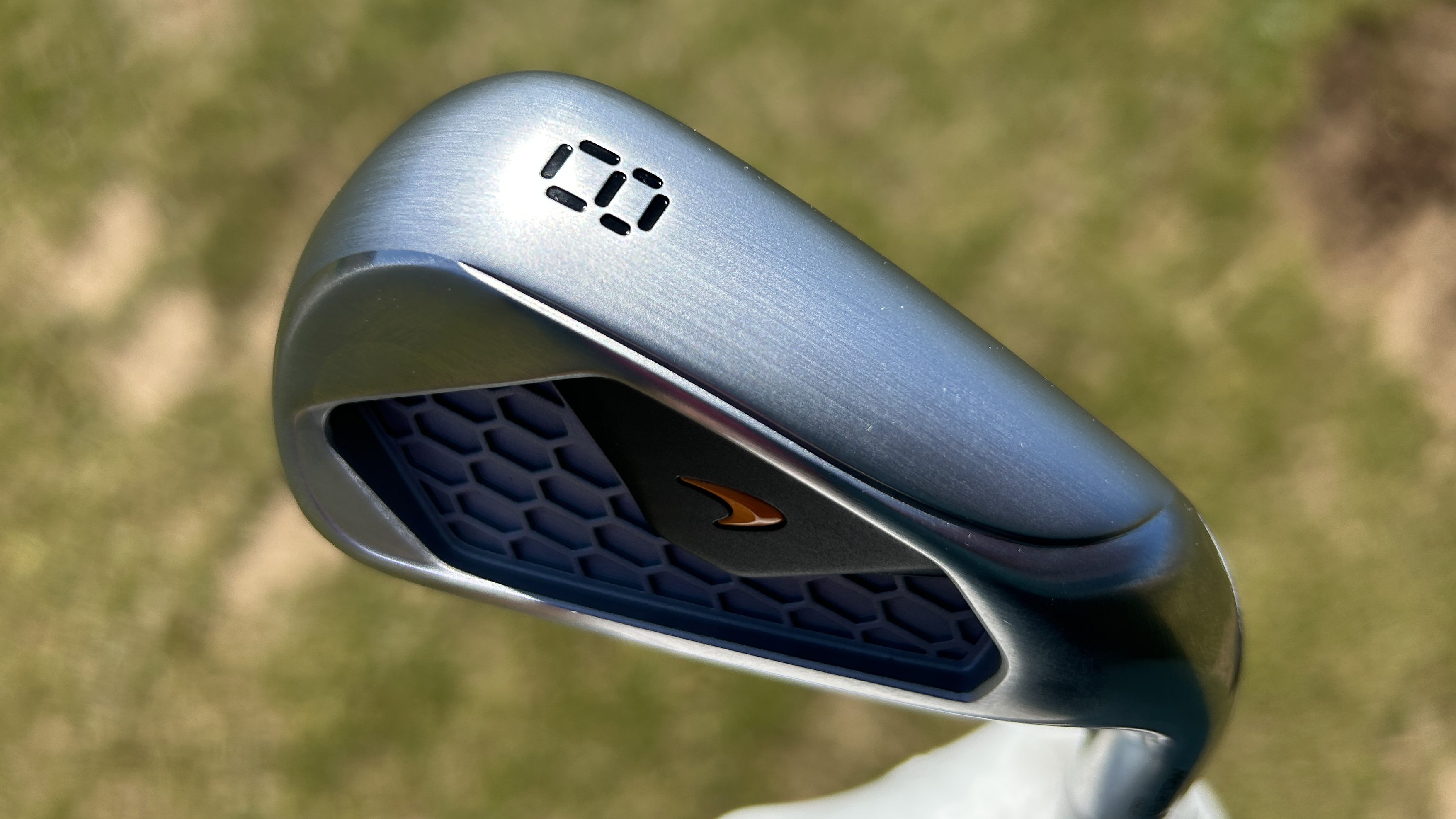
(Image credit: Future)
Although lofts have been strengthened, there is still quite a bit of variety out there when it comes to lofts through the set.
Here we take a look at the strongest and weakest irons lofts on the market today.
What does less loft mean?
When you strengthen the loft, ball speed should go up. Without other alterations to the club the ball will fly lower. That doesn’t necessarily mean it will fly further.
To gain the benefit of extra distance from a stronger-lofted iron, the manufacturers will look to a balancing act with the other technology in the club.
By moving the center of gravity and matching up the launch angles with somewhat appropriate spin rates, they can get the most out of a stronger lofted set of irons. Basically, they can increase ball speed without affecting launch angle, delivering greater distance with a similar flight.
That sounds great, so why wouldn’t everyone want that? It’s certainly a boon for those with slower swing speeds who are looking to generate more distance.
But the principal reason players might seek a weaker loft is that the less loft you have, the less spin you generate – that might mean you find yourself hitting a longer ball, but you are struggling to hold greens.
Less spin can also cause a reduction in accuracy. Many will feel that the benefit of an extra 10 yards is negated…
..
Click Here to Read the Full Original Article at Latest from Golf Monthly…